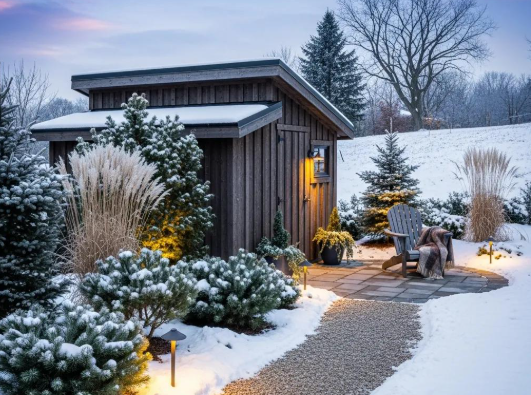
A winter-ready custom shed is a backyard outbuilding designed with materials, structure, and insulation specifically chosen to withstand cold weather while enhancing dormant-season aesthetics. This article explains how custom shed designs balance structural snow-load performance, thermal protection for stored items, and landscaping choices that keep a property accessible and attractive during colder months. Homeowners and small-business owners will learn practical roof, siding, window, foundation, planting, lighting, and interior strategies to make a shed functional for storage or a cozy winter retreat. The following sections cover why tailored winter sheds matter, the key architectural elements to prioritize, how to plan winter-hardy landscaping and lighting, and simple steps to convert a shed into a heated workshop or relaxation space. Throughout, terminology like insulated shed designs, snow-resistant shed roofs, and winter landscape shed integration appears in context to help you choose and specify options that match regional winter patterns in NC, SC, GA, and AL.
Why Choose Custom Sheds for Cold Weather and Winter Landscapes?
A winter-ready custom shed is engineered to protect contents and remain usable during cold snaps by combining appropriate insulation, structural roof design, and smart site placement. These design choices reduce freeze damage, limit condensation, and keep pathways passable, delivering long-term durability and convenience. Customization also lets you match color palettes and architectural details to a muted winter landscape so the outbuilding contributes to curb appeal even when plants are dormant. The result is a storage solution that performs technically and reads as an intentional landscape element during short daylight months.
Custom sheds offer three immediate operational benefits for winter use:
- Enhanced protection for stored tools and seasonal furnishings through insulated walls and raised floors.
- Safer year-round access via covered thresholds, reinforced doors, and planned overhangs.
- Longer service life from materials chosen for freeze-thaw resistance and moisture control.
These benefits make a compelling case for specifying winter-ready features before ordering or siting a shed. After planning core winter strategies, a practical next step is choosing roof and siding systems that match local weather patterns and intended use.
For homeowners in the Southeast, Martin Buildings Company provides winter-ready customization and regional delivery and setup across North Carolina, South Carolina, Georgia, and Alabama. Their options include material choices and insulating packages for colder use cases, a rent-to-own program with no credit check, free delivery and setup, and a 5-year limited warranty that supports long-term reliability.
What Benefits Do Insulated Shed Designs Offer for Winter Use?
Insulated shed designs use thermal barriers in walls, roof, and sometimes floors to maintain interior temperatures and prevent condensation on stored items. Insulation reduces temperature swings that can damage paint, batteries, tools, and potted plants, and it makes heating a shed economical when converting it to a workshop or retreat. Typical insulation approaches focus on achieving moderate R-values appropriate for mild-to-moderate Southeastern winters, balancing cost and performance. The trade-off is slightly higher initial cost and the need to ensure proper moisture control through ventilation and vapor barriers to avoid trapped dampness.
Insulation’s protective role for contents is especially important when humidity-sensitive materials are stored, which leads naturally into decisions about layout and access that preserve interior conditions.
How Do Custom Sheds Enhance Winter Backyard Storage Solutions?
Custom layouts optimize storage by combining lofted shelving, built-in cabinets, and strategically placed doors to reduce exposure during inclement weather. A raised or insulated floor prevents ground frost from affecting stored goods and helps maintain a dryer interior, while covered entryways or small porches protect thresholds from snow, ice, and rain. Door placement on the sunward side can improve passive warming and reduce ice build-up at the entrance, and durable hardware reduces maintenance needs in freezing conditions.
Practical layout tips include placing frequently used items near the main door, grouping seasonal gear on lower shelving for quick access, and reserving loft space for lighter holiday storage. These organization strategies minimize time spent outdoors in cold weather and keep the shed useful year-round.
What Are the Key Design Elements for Winter-Ready Custom Sheds?
Key design elements for winter-ready sheds include roof pitch and material, siding and window choices, and foundation and drainage plans that prevent ice and water damage. Each element plays a role in how a shed sheds snow, retains heat, and withstands freeze-thaw cycles, making coordinated decisions essential. Roofs must be sized and reinforced to meet snow-load expectations, siding should resist moisture and swelling, and windows need glazing that limits heat loss while maximizing daylight. Selecting the right combination reduces maintenance and preserves both function and finish during colder months.
Below are roofing options and how they perform under snow and ice conditions:
- Metal roofing performs well at shedding snow and resisting ice dams.
- Steeper gable pitches encourage snow to slide off and reduce accumulation.
- Reinforced trusses and close spacing increase load capacity for occasional heavy events.
These roofing choices inform structural reinforcement and maintenance plans that keep performance consistent across winter events. Martin Buildings Company offers several material and roof upgrade options, including heavy-duty roofing and insulating packages, as configurable choices to match intended use and local winter conditions.
Which Roof Styles Best Handle Snow Load and Ice?
Roof style selection balances snow-shedding capability with interior volume and aesthetic goals. Metal roofs shed snow efficiently and minimize ice-dam formation, while steeper gable roofs remove accumulation naturally through gravity. Gambrel roofs offer more loft storage but can collect more snow on flat-ish facets and therefore require stronger truss systems. Reinforcing truss spacing and using treated lumber or engineered connectors increases load tolerance for occasional heavy snowfall events.
Deciding between these styles depends on how often snow or freezing rain occurs on your site and whether loft storage outweighs maintenance considerations. Proper flashing and eave detailing also reduce ice-dam risk and long-term moisture intrusion.
What Siding and Window Options Improve Durability and Light in Winter?
Durable siding and well-chosen windows combine weather resistance with the ability to capture winter sunlight for passive warmth. Engineered siding like LP SmartSide resists moisture and freeze-thaw damage better than untreated wood, while vinyl and treated wood offer low-maintenance alternatives when paired with proper flashing. Double-glazed windows reduce heat loss and prevent interior frost, and placing windows on southern exposures increases daylight and passive solar gain during short days.
Window size and placement should prioritize daylight in workspace areas and limit glazing on windward exposures to reduce heat loss. Selecting low-E coatings on glass further improves thermal performance without sacrificing light.
Consider these material options when balancing durability, insulation, and daylight:
LP SmartSide or engineered siding: Durable, resists moisture, low maintenance.
Double-pane vinyl windows with low-E: Balanced insulation and light transmission.
Treated wood trim and flashing: Protects joints and reduces water intrusion.
How Can You Integrate Shed Landscaping for Winter Aesthetics and Functionality?
Integrating landscaping around a shed improves winter appearance and preserves safe access by combining evergreen structure, hardy ornamental species, and practical pathways. Thoughtful plant selection maintains silhouette and color while reducing maintenance in cold months. Pathway materials and grading control drainage and reduce ice formation, and well-placed lighting enhances safety during short daylight hours. Together, these elements make a shed both functional and visually appealing throughout the winter season.
Southern magnolia (dwarf): Provides evergreen structure and glossy foliage during winter, needing only low maintenance with occasional pruning.
Ornamental grasses: Their seedheads add texture to the winter landscape, and they simply need to be cut back in late winter.
Winterberry shrubs: Offer bright seasonal berries for winter color, with moderate maintenance since both male and female plants are required.
Gravel pathway: Delivers good drainage and slip resistance in winter, requiring periodic raking and replenishing.
Heated pavers: Keep walkways clear for safe winter use, offering low maintenance but at a higher installation cost.
What Winter-Hardy Plants and Pathways Complement Your Shed?
Choosing plants that hold structure in winter keeps the shed setting attractive and visible when most perennials are dormant. Evergreens provide backbone, ornamental grasses add movement and seedhead interest, and berry-bearing shrubs offer seasonal color. For pathways, permeable surfaces like gravel or decomposed granite improve drainage and traction, while heated pavers are a higher-cost option that eliminates ice buildup for key access routes.
Plant and path placement should consider sunlight, prevailing winds, and runoff to prevent ice formation near thresholds. Prioritizing low-maintenance species reduces winter labor and keeps the shed accessible.
How Does Lighting Enhance Shed Access and Visual Appeal in Winter?
Exterior lighting enhances both safety and the aesthetic presence of a shed during long winter nights by illuminating paths and highlighting architectural features. Motion-sensor fixtures reduce energy use while ensuring safe nighttime access, and low-voltage path lights create a visible walkway without glare. Accent uplighting adds depth to evergreen plantings and makes the shed part of the winter landscape composition.
Energy-efficient LED or solar fixtures lower operating costs and simplify installation for remote sheds. Proper lighting placement minimizes glare and ice-threatening melt cycles near foundations.
How Can You Transform Your Custom Shed into a Cozy Winter Retreat?
Converting a shed into a winter retreat requires coordinated upgrades in insulation, heating, ventilation, and interior finishes to maintain comfort and safety. Insulation in walls, roof, and floor stabilizes interior temperatures, while controlled heating options deliver usable warmth without excessive energy use. Interior layouts should combine functional storage and seating or work areas, and finishes must resist moisture while contributing to perceived warmth. Electrical planning for lighting, outlets, and small appliances is essential when designing for winter use.
- Fiberglass batts offer moderate R-value and are easy for DIY installation, making them suitable for insulating wall and ceiling cavities.
- Spray foam provides a high R-value and strong air-sealing performance, which works well in tight spaces but typically comes with a higher cost.
- Electric baseboard heaters are simple to install and provide localized heating, making them ideal for small workshops or retreat spaces.
- Mini-split heat pumps deliver efficient heating and cooling for year-round comfort, though they usually require a higher installation investment.
- Propane wall heaters produce fast heat and operate independently of the electrical grid, making them practical for remote locations without wiring.
What Heating and Insulation Solutions Make Sheds Comfortable in Cold Weather?
Effective shed insulation and heating begin with appropriate R-values in walls and ceiling, balanced with vapor control and ventilation to prevent moisture problems. Fiberglass batts provide a budget-friendly approach, while spray foam offers higher R-values and air sealing in tighter spaces. For heating, electric baseboards and mini-split heat pumps are clean, controllable options; propane or wood stoves deliver robust warmth but require clearances and ventilation considerations. Installer permits and local codes may govern larger installations, so factor those logistics into planning.
Choosing systems that balance efficiency and cost keeps operating expenses reasonable and supports year-round usability. Adequate ventilation prevents condensation when heating a small enclosed space.
How Can Interior Design Create a Functional Winter Workshop or Relaxation Space?
Interior design for a winter shed balances insulation, durable finishes, and flexible layouts to support work or leisure. Durable flooring over an insulated subfloor resists moisture and provides thermal comfort, while layered textiles—rugs, cushions—add perceived warmth in seating areas. For workshops, plan a workbench near daylight sources and allocate wall storage to preserve floor area; for retreats, a compact seating arrangement with a small heat source creates a cozy focal point. Lighting should combine task fixtures and warm-toned ambient sources to reduce eye strain and increase comfort during short days.
Multi-use furniture and modular storage maximize usability, letting the space switch between hobby work and relaxation without compromising thermal performance. Proper electrical planning ensures safe, code-compliant power for tools and heaters.
For a winter-ready custom shed quote tailored to your needs, consider requesting options that include free delivery and setup plus a 5-year limited warranty to protect your investment. Martin Buildings Company’s rent-to-own program and configurable insulating and roof upgrades can make a winterized shed more accessible while providing installation support.