As temperatures drop and the first significant winter storms approach, trees and shrubs across Illinois become vulnerable to cold weather damage. Heavy, wet snow typical of Midwestern winters accumulates on branches, creating stress that can cause permanent damage. Preventive measures taken before winter arrives make a substantial difference in protecting valuable landscape features through harsh seasons.
Homeowners concerned about tree health during winter months can find detailed information on preparing landscapes for winter conditions and protecting valuable plants.
Understanding Winter Tree and Shrub Damage
Winter weather poses multiple threats to trees and shrubs in Illinois. The region's climate patterns bring heavy, wet snow that differs significantly from dry northern snow. This dense snow accumulates readily on branches, adding substantial weight that causes bending and breaking, particularly in ornamental varieties with delicate branch structures. Young trees, specimen evergreens, and recently planted shrubs face the highest risk.
Frost cracking presents another serious concern. During winter thaw cycles, trees absorb moisture that freezes internally when temperatures drop again. This internal expansion cracks bark and can damage the tree's vascular system. The damage may not become apparent until spring when affected areas show bark separation or branch dieback.
Salt exposure from road treatments and deicing applications causes additional damage. Even trees near driveways and walkways absorb salt through roots, leading to foliage discoloration, branch dieback, and long-term decline. Sunscald, caused by warm winter days followed by cold nights, damages bark on the south and west sides of tree trunks.
Wind damage becomes more likely when snow loads weaken branch attachments or when ice-covered branches lose flexibility. Trees that have received inadequate pruning or structural care become more susceptible to splitting and branch failure during severe weather.
Professional Tree Care Before Winter Arrives
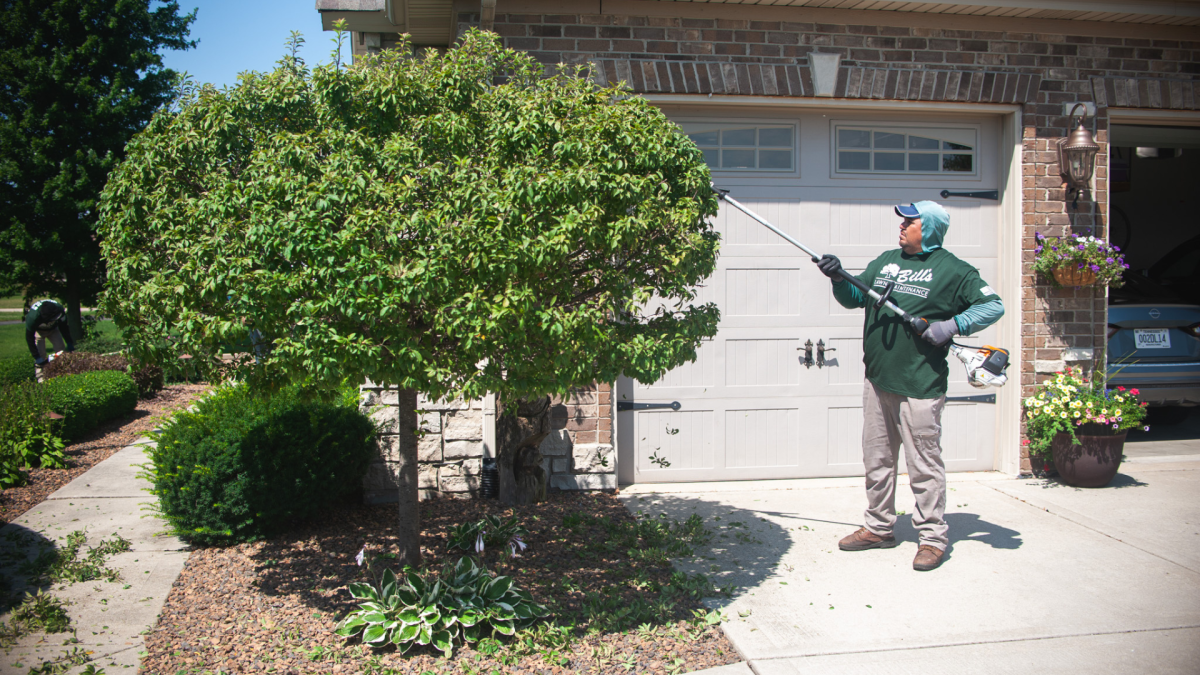
Strategic pruning completed in late fall removes branches most vulnerable to snow and ice damage. Assessment identifies weak branch structures, codominant leaders, and crossing branches that increase failure risk. Removing these problem areas before winter reduces snow loading and improves structural integrity.
Young trees benefit from protective measures that adult trees may not require. Tree guards protect trunks from animal damage and frost cracking. Sheltering or wrapping young trees reduces wind exposure and moderates temperature fluctuations that cause frost cracking. These protective installations should be completed before the coldest periods arrive.
Specimen evergreens and ornamental shrubs may require individual attention. Selective pruning adjusts branch structure to shed snow more effectively. Some properties benefit from bracing or cabling to support branches susceptible to breakage. Understanding which varieties need specialized attention in Illinois climates is important for effective protection.
Mulching around the base of trees and shrubs provides insulation that moderates soil temperature fluctuations. Winter mulching applied in late fall protects roots from extreme cold and reduces frost heaving that can damage root systems. This simple measure protects both young trees and established plants.
Watering before ground freezes helps trees and shrubs enter dormancy with adequate internal moisture. Well-hydrated plants tolerate winter stress better than stressed, dry plants. This becomes particularly important for evergreens and plants with shallow root systems.
Identifying Trees at Risk
Not all trees face equal winter risk. Young trees with thin bark and delicate branch structures require more attention than established specimens. Recently planted trees have not yet developed deep root systems and stress more easily during weather extremes.
Ornamental varieties selected for aesthetic qualities sometimes lack the branch structure and form of native species. Trees with naturally strong branch angles and multiple leaders distribute snow loads more safely than single-stem specimens with acute branch angles. Consulting professionals helps homeowners understand their specific trees' vulnerabilities.
Damaged trees carry additional winter risk. Trees that survived storm damage, pest infestation, or disease stress heading into winter struggle more during harsh seasons. Dead branches or weak connections become failure points when snow accumulates.
Evergreens warrant specific consideration. Heavy, wet snow accumulates more readily on evergreen branches than deciduous trees. Some evergreen varieties handle this better than others. Arborvitae, for example, tends toward branch splitting under heavy snow, while properly pruned pines and spruces shed snow more effectively. Proper winter preparation includes evaluating which trees may need extra attention or removal if they pose safety risks.
Spring Assessment After Winter Damage
Homeowners should inspect trees carefully once winter passes. Branch breakage may not require removal if breaks occurred above living wood. Some damage heals naturally if left undisturbed. Bark damage or splits that expose wood should receive attention to prevent disease entry.
Dead branches should be removed to prevent weakened attachment points that create future hazards. Trees that sustained significant damage may need professional evaluation to determine whether preservation or removal makes more sense.
Professional Winter Tree Care Standards
Service providers should maintain proper equipment standards and follow industry best practices for pruning and tree care. Correct pruning cuts promote healing rather than creating entry points for disease. Clear communication about specific concerns helps professionals focus attention appropriately. Whether protecting valued specimen trees, removing hazardous trees, or caring for recently planted landscaping, discussion of property conditions leads to appropriate recommendations.
Planning Winter Tree Care Now
Homeowners should contact tree service providers by early December to schedule assessments and necessary work before the heaviest snow arrives. Winter weather can make scheduling difficult, making advance planning important.
Assessment allows professionals to evaluate individual trees, understand property conditions, and identify specific protective measures needed. Some trees may need pruning, others may need guards or bracing, and some may require removal if they pose safety risks.
Protecting Your Landscape Through Winter
Winter weather presents challenges for outdoor landscapes, but strategic preparation protects valuable trees and shrubs. Understanding risks and taking appropriate action before harsh weather arrives reduces spring damage and maintains landscape health through the coldest months.
For homeowners across Frankfort, Mokena, New Lenox, Tinley Park, and Orland Park needing assistance with winter tree preparation, Bill's Lawn Maintenance & Landscaping provides assessment consultations. Contact them at 815-205-5541 or visit billslawn.com to discuss your trees and winter care needs. You can also learn more about available services.