EC Roofing & Home Services Direct Advises Homeowners on Immediate Steps After Roof Storm Damage
Severe storms can leave homeowners facing unexpected roof damage caused by high winds, heavy rain, hail, or fallen debris. When a roof is compromised, taking immediate action is critical to protecting the home, preventing further damage, and reducing long-term repair costs.
EC Roofing & Home Services Direct regularly assists Maryland homeowners in recovering from storm-related roof damage. The company emphasizes that knowing what to do in the hours and days following a storm can significantly ease stress, protect property, and speed up the restoration process.
Prioritizing Safety Before Assessing Damage
After a storm, personal safety should always come first. Storm conditions can leave behind hazardous environments, including slick roof surfaces, unstable structures, broken glass, and exposed electrical risks.
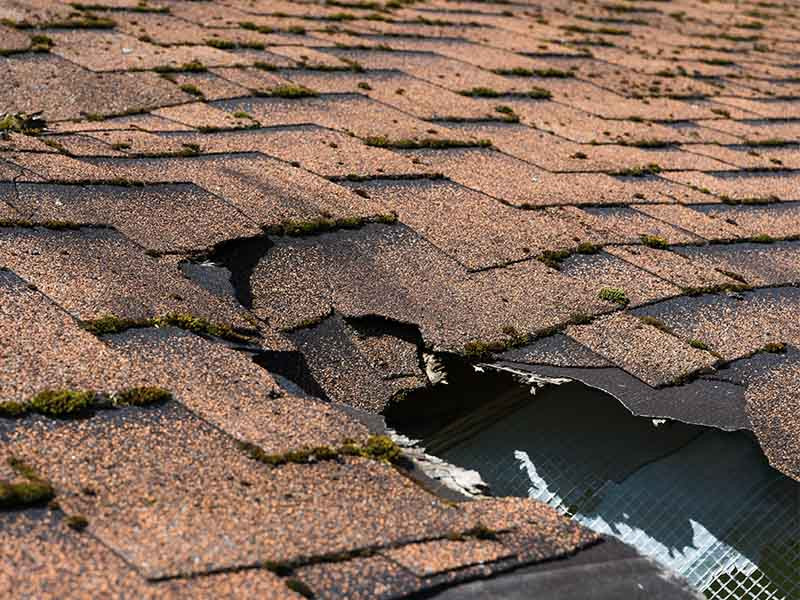
Homeowners are advised to avoid climbing onto the roof immediately after a storm. Instead, damage should be assessed from the ground by looking for visible signs such as missing shingles, dented gutters, damaged flashing, or fallen tree limbs. Indoors, water stains, ceiling discoloration, or bulging drywall may indicate leaks. If water is present near electrical fixtures, power to the affected area should be turned off immediately.
Ensuring the home is safe before proceeding helps prevent injuries while preparing for next steps.
Documenting Damage for Insurance Claims
Thorough documentation is one of the most important actions homeowners can take after storm damage. Clear evidence helps insurance providers accurately assess the extent of damage and process claims more efficiently.
Photographs and videos should be taken from multiple angles, capturing both wide views of the roof and close-ups of visible damage such as torn shingles, punctures, or broken components. Exterior damage to siding, gutters, fencing, or landscaping should also be recorded to demonstrate storm severity.
Inside the home, any water intrusion, damaged ceilings, flooring, or personal belongings should be documented. Written notes detailing the date of the storm, observed damage, and timeline of events further strengthen an insurance claim.
Preventing Further Damage With Temporary Measures
Once documentation is complete, homeowners should take reasonable steps to prevent additional damage while waiting for professional repairs. Even small roof breaches can allow significant water intrusion if left unprotected.
When it is safe to do so, waterproof tarps or plastic sheeting can be placed over damaged areas to keep out rain and debris. These coverings should extend beyond the damaged section and be securely fastened. If conditions are unsafe or the roof is difficult to access, homeowners should wait for professional assistance.
Inside the home, valuables should be moved away from leaks, and buckets, fans, or dehumidifiers can be used to manage moisture and reduce the risk of mold.
Notifying the Insurance Provider Promptly
Homeowners should contact their insurance company as soon as possible after stabilizing the situation. Many insurance policies require timely notification to maintain eligibility for coverage.
During the claim process, homeowners should share all documentation, ask about required forms, and confirm whether an adjuster will inspect the property. Keeping records of all communications—including dates, names, and summaries—is essential.
EC Roofing & Home Services Direct supports homeowners by providing professional inspection reports and repair estimates that help ensure all storm-related damage is accurately identified and fairly evaluated.
Scheduling a Professional Roof Inspection
Even when damage appears minor, hidden issues may exist beneath the surface. A professional roof inspection is essential after any major storm to uncover problems that are not visible from the ground.
During an inspection, roofing professionals evaluate shingles, flashing, underlayment, vents, gutters, and attic spaces for signs of water intrusion or structural compromise. These findings provide a complete picture of the roof’s condition and serve as valuable documentation for insurance claims.
Determining the Appropriate Repair or Replacement
Following an inspection, homeowners must decide how to proceed with repairs. The appropriate solution depends on the extent of damage, the age of the roof, and the roofing materials involved.
Minor damage may be resolved with targeted repairs, such as replacing shingles or repairing flashing. However, widespread damage, repeated leaks, or structural concerns may make roof replacement the more practical and cost-effective option.
EC Roofing & Home Services Direct provides clear recommendations, explaining the benefits and considerations of each option so homeowners can make informed decisions with confidence.
Reducing the Risk of Future Storm Damage
After repairs or replacement are completed, regular maintenance plays a key role in protecting the roof from future storms. Annual inspections—especially before and after storm season—help identify small issues before they escalate.
Additional preventive measures include trimming nearby tree branches, keeping gutters and downspouts clear, ensuring proper attic ventilation, and considering impact-resistant roofing materials. These steps help extend roof lifespan and improve resilience against severe weather.
Restoring Homes With Confidence
Recovering from storm damage can feel overwhelming, but taking the right steps early makes the process more manageable. EC Roofing & Home Services Direct provides comprehensive storm damage services, including inspections, repairs, replacements, and insurance claim support.
With a focus on quality craftsmanship, durable materials, and responsive service, the company helps homeowners restore their roofs and protect their homes for the future.
Homeowners who suspect storm damage are encouraged to schedule a professional inspection with EC Roofing & Home Services Direct to begin the restoration process promptly and with confidence.