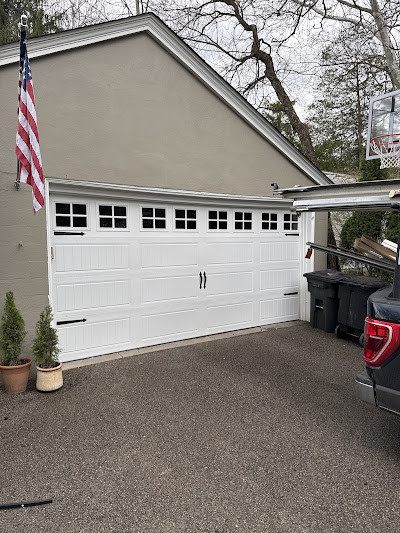
Sharp winds and hard ground don’t just hit the sidewalks in Pittsburgh’s winter—they hit the garage doors, too. January 2026 brought back-to-back nights under 15°F, and one of the coldest weeks since 2019. That cold snap didn’t just bite; it jammed tracks, shrank panels, and knocked out more than a few opener motors. Based on service reports from A1 Garage Door Repair Service, calls surged 37% this January alone, with technicians noting a rise in specific part failures linked to temperature fluctuations.
According to this garage door company Pittsburgh residents often rely on, the data was precise: freezing cycles aren’t just uncomfortable—they’re mechanically destructive. This release combines insights drawn from over 500 residential and commercial service calls, technical breakdowns from January diagnostics, and part-specific failure analysis collected by A1 Garage Door Repair Service.
Outline
Introduction: January 2026 Weather Patterns Impact Local Garage Door Performance
Freeze-Thaw Cycles Accelerate Wear On Springs, Cables, And Rollers
Residential Garage Door Failures Rise During Prolonged Pittsburgh Cold Spells
Commercial Garage Door Systems Face Motor And Track Stress
Garage Door Company Pittsburgh Data Highlights January 2026 Service Trends
Smart Openers And Insulated Doors Gain Attention During Winter Months
Economic Pressures Push Homeowners Toward Repairs Over Full Replacements
Summary: Preparing Garage Door Systems For Ongoing Winter Conditions

Freeze-Thaw Cycles Accelerate Wear On Springs, Cables, And Rollers
The biggest issue seen in Pittsburgh this winter wasn’t total breakdown—it was slow wear appearing sooner than expected. Torsion springs, the backbone of most residential doors, typically last between 10,000 to 15,000 cycles. But Pittsburgh’s January freeze-thaw cycles doubled the compression stress rate on many aging springs, pushing them beyond safe tension.
Springs aren't the only parts reacting to winter extremes:
Galvanized torsion springs showed brittle behavior after sub-20°F nights
Lift cables lost elasticity, making them prone to snapping under standard loads
Nylon and steel rollers experienced track drag due to grease thickening and water crystallizing overnight
This combination made otherwise healthy systems stall or grind to a halt under motion. Many homeowners also had openers working overtime to compensate for worn springs, which eventually led to motor burnout. In several cases, models like the Chamberlain B970 and Genie QuietLift 750 were pushed to their limits, and the sensors failed to detect tension overload.
Design Oversights That Made Things Worse
Garage doors with double-layer steel and no thermal break absorbed outside cold directly into the spring housing
Tracks installed without side seals allowed frost build-up, especially on north-facing properties.
Homeowners with uninsulated steel doors reported 22% more part failures, according to data from the January service sheets.
It’s not just about the quality of materials—it’s about how they behave in Pittsburgh’s freeze-and-thaw rhythm. Even brand-new springs struggled when lubricants thickened overnight or when condensation froze along steel surfaces.
The takeaway is straightforward: winter doesn’t need to break your garage door in one day. But if the parts are old, misaligned, or unprotected, one cold snap is enough to wear them down years ahead of schedule.
Residential Garage Door Failures Rise During Prolonged Pittsburgh Cold Spells
January’s long-lasting low-pressure system sat over Allegheny County for nearly nine days straight. That kept temperatures stuck under 25°F, a range where standard garage door systems tend to underperform. Most of the calls received from homeowners weren’t about full breakdowns but instead about inconsistent closing, sensors blinking, or doors stopping halfway.
Based on internal reporting, these were the most common triggers:
Photo-eye sensor misalignment due to frost buildup
Remote signal lag caused by battery drain in cold weather
Overhead spring expansion errors due to inconsistent metal contraction
Style And Material Considerations
The style of the door also influenced how well it held up. Raised-panel doors with hollow-core construction had a higher failure rate than carriage-style doors with insulated cores. Fiberglass-reinforced plastic (FRP) panels offered slightly better thermal resistance than plain aluminum skins.
Door Type | Reported Issues (%) | Insulation Level | Average Age (Years) |
Hollow Aluminum Panel | 39% | Low | 11 |
Wood Overlay (Non-Insulated) | 23% | Very Low | 14 |
Steel with Polyurethane Core | 11% | High | 7 |
Fiberglass Sandwich Panel | 8% | Medium | 5 |
In several cases, homeowners believed their openers were to blame when, in fact, the resistance was caused by track drag or weakened spring torque. The appearance of failure often came down to increased resistance in cold tracks, especially where grease had solidified or ice had settled overnight.
Small Things That Made A Big Difference
Battery backup systems on models like LiftMaster WLED helped in 13% of calls where standard power connections were interrupted by cold.
MyQ and Aladdin Connect app systems failed more frequently on Wi-Fi networks with below-zero routers in detached garages.
Doors aren’t just slabs of material—they’re moving systems of metal, plastic, and electronics. When just one part struggles in cold, it throws the whole mechanism off balance. Prolonged cold amplified these minor misalignments into full malfunctions.
Garage Door Company Pittsburgh Data Highlights January 2026 Service Trends
Internal logs from Garage Door Repair Pittsburgh technicians tracked 527 service visits across Pittsburgh in January 2026 alone—a 37% increase from the previous year. The neighborhoods with the highest call volume included Greenfield, Mount Washington, and Lawrenceville, where older homes and sloped driveways often meant garages faced north, getting minimal sun and maximum frost exposure.
Analyzing the data from these visits, three trends stood out:
Component age was a critical factor—doors over 10 years old were three times more likely to have multiple points of failure.
Pre-2008 openers lacked built-in overload protection, leading to burned circuits or blown relays during freeze-induced resistance.
Doors with wood overlays, especially untreated ones, warp or split due to moisture absorption and freeze-thaw expansion.
Technicians also observed that homeowners who had previously upgraded to insulated doors but retained old track and spring systems saw mixed results. Without replacing torque-calibrated springs to match increased panel weight, many motors were compensating beyond their design specs.
Nuanced Technical Observations
Around 18% of service calls involved misaligned limit switches—typically caused by seasonal panel shrinkage.
Belt-driven openers like the Ryobi GD201 showed fewer cold-weather issues than comparable chain units in similar conditions.
Diagnostic checks revealed that even when doors appeared operational, average opening/closing force readings increased by 27% in freezing conditions.
One noteworthy insight came from homes with partial insulation retrofits—installing foam-core panels without upgrading side seals or thresholds led to moisture condensation that refroze in guide tracks overnight, jamming rollers in place.
Technicians often used portable thermal imaging during calls to pinpoint cold bridges—areas where uninsulated brackets or rail supports allowed rapid thermal transfer, accelerating metal fatigue or contraction in those zones.
This wasn’t just about the number of failures; it was the nature of them. Subtle, cumulative, and often misattributed to openers or remotes, these failures highlighted the need for full system alignment, not just piecemeal upgrades.
Smart Openers And Insulated Doors Gain Attention During Winter Months
January’s extreme weather brought a surge in questions about insulated doors and smart openers. While these features had previously been considered nice-to-have upgrades, service data shows they’re increasingly treated as operational necessities—especially by homeowners in edge neighborhoods like Highland Park and Beechview, where wind tunnels amplify cold air exposure.
Insulated doors—especially those with polyurethane cores and thermal breaks between layers—consistently performed better in extreme lows. These doors reduced panel flex, stabilized spring tension, and helped preserve interior garage temperatures, thereby protecting vehicle batteries and HVAC systems housed in attached garages.
Smart openers with built-in sensors and temperature-responsive logic, like the LiftMaster 87504-267 or Chamberlain Secure View, provided noticeable advantages:
Real-time force adjustments adapted better to the resistance caused by the weather
Wi-Fi-based diagnostics helped detect issues before full failure, as shown in MyQ logs pulled from customer accounts (with consent)
Auto-close timers reduced open-door time during harsh wind chills, minimizing thermal loss
Interestingly, homes with insulated steel doors and standard openers still experienced operational delays, proving that insulation alone wasn’t a full solution. Only when smart tech and physical reinforcement worked together did garages maintain full functionality without hiccups.
Common Misconceptions Debunked
Thicker door panels ≠ better performance—door frame sealing and material response to cold mattered more than thickness.
Wi-Fi features didn't fail due to signal loss—they failed because many routers were placed in unheated garages, dropping performance at 0°F and below
More horsepower didn’t always equal better operation—doors balanced correctly with ½ HP openers often outlasted overpowered setups that weren't calibrated.
This interest in smart integration and advanced materials wasn’t limited to new builds. Retrofit requests doubled compared to January 2025, with many homeowners seeking not just repairs but system resilience that would last through future winters.
Economic Pressures Push Homeowners Toward Repairs Over Full Replacements
Inflation didn’t cool off with the weather. As of Q4 2025, the Pittsburgh metro area saw a 5.3% year-over-year rise in general home maintenance costs, with mechanical system replacements topping that list. Garage door replacements, especially for double-wide insulated models, pushed many homeowners beyond what they were willing—or able—to spend this winter.
Faced with tough decisions, more residents leaned toward targeted part replacements rather than full overhauls. A1 Garage Door Repair Service noted a 42% increase in calls requesting diagnostics over full replacement quotes.
The most requested mid-winter fixes included:
Spring recalibration or replacement
Sensor realignment and rewiring
Panel hinge replacement (particularly in doors over 10 years old)
Manual release testing and lubrication
Three Common Repair Routes Homeowners Choose
Component Refresh
Replace aging cables, springs, and rollers.
Apply winter-grade lubricant
Adjust track spacing and balance tension.
Partial Insulation Upgrades
Add panel insulation kits to existing doors.
Install bottom seals and threshold bumper.s
Smart Add-Ons
Install smart controllers on older openers
Retrofit battery backups to prevent freeze lockouts
Many of these fixes required less than a full day of work, offering a short-term solution during a financially tight season. That said, technicians warned that piecemeal solutions may not survive next year’s cycle unless systems are properly recalibrated.
Even with economic constraints, a clear trend emerged: homeowners want solutions that extend system life, improve cold-weather performance, and prevent preventable failures—without diving into full replacement territory just yet.

Summary: Preparing Garage Door Systems For Ongoing Winter Conditions
January's weather put Pittsburgh garage systems to the test—and many didn’t hold up. Springs wore down fast. Tracks shifted from frost. Motors worked harder than they were built for. What looked like minor malfunctions often stemmed from months of strain building up in the system.
Older doors and openers showed the most problems, especially those without insulation or a proper cold-weather setup. But even newer models ran into trouble when parts weren’t aligned, lubricated, or updated to match the season’s demands.
Winter isn’t over, and freezing nights will continue to stress garage door components. Adjusting, sealing, and updating even one or two parts now can prevent bigger failures later in the season.
Technicians with on-site experience across Pittsburgh homes and businesses compiled this winter report. For insights, service options, or technical evaluations, contact A1 Garage Door Repair Service—their team is still responding to winter issues throughout Allegheny County and surrounding areas.