Homeowners often discover paver deterioration problems years after installation when surfaces that once looked pristine develop stains that won't clean, joints where weeds grow persistently, or individual pavers that have shifted or settled unevenly. These issues rarely appear suddenly. They develop gradually as deferred cleaning and sealing allow small problems to compound into conditions requiring extensive correction. What begins as postponing routine maintenance becomes discovering that paver surfaces need professional restoration, joint material replacement, or individual unit replacement to restore acceptable appearance and function. By the time deterioration becomes obvious, correction costs significantly more than preventive maintenance would have. The company's recent article on hardscape maintenance approaches discusses care practices that prevent these long-term issues.
The Underlying Issue
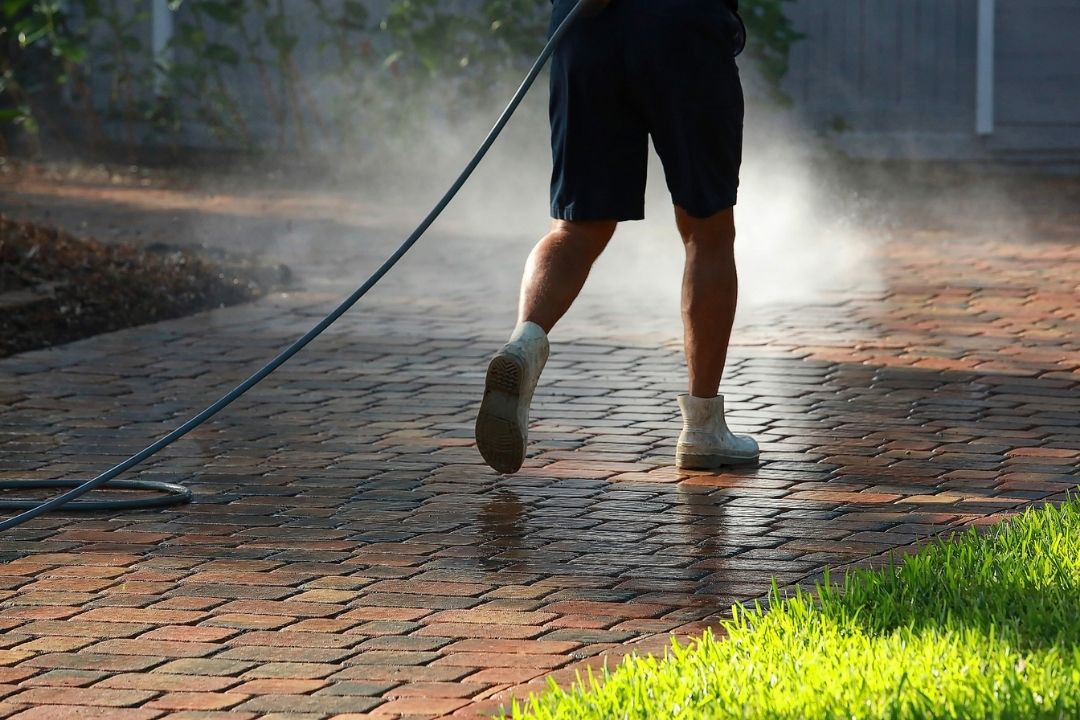
Paver deterioration from maintenance neglect develops through multiple connected processes that accelerate over time. Paver surfaces accumulate organic material, atmospheric pollutants, and mineral deposits from irrigation or rain. Without regular cleaning, these materials create conditions that support algae, moss, and lichen growth. These organisms don't just create appearance problems. They hold moisture against paver surfaces and produce acids that gradually degrade surface texture.
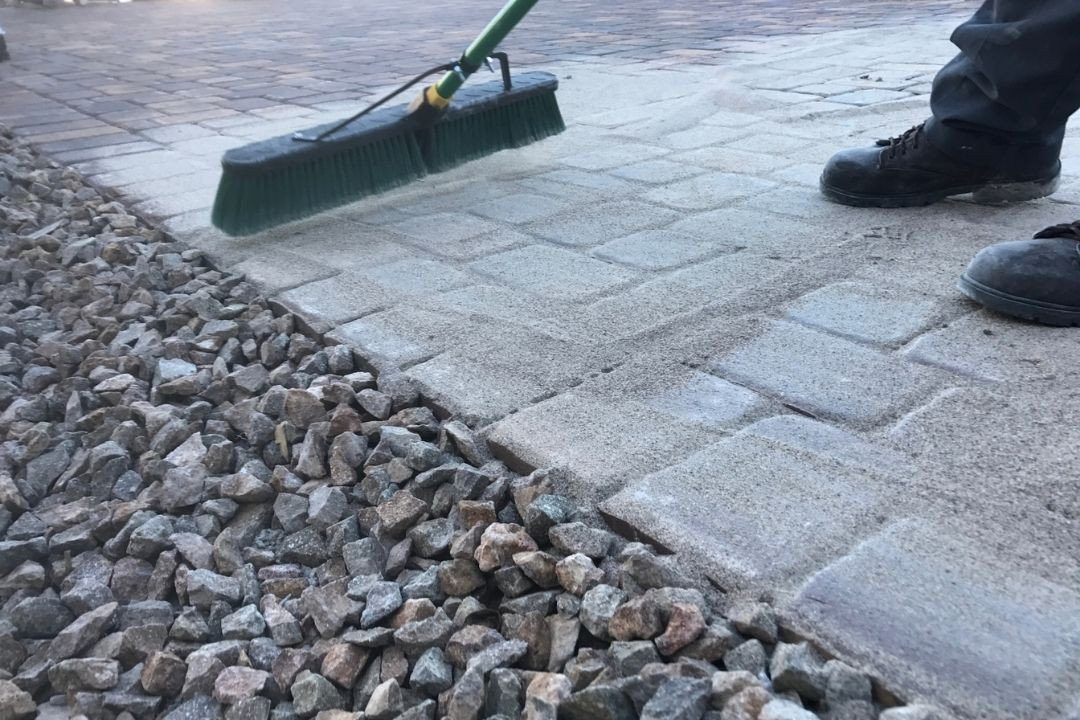
Joint sand between pavers serves structural and protective functions. It locks pavers together, preventing horizontal movement and edge chipping. It also keeps water from pooling under paver edges where freeze-thaw damage can occur. When joint sand washes out or gets displaced, pavers lose lateral support. Individual units can rock or settle unevenly under traffic. Edges become vulnerable to chipping. Water penetrates more easily to base materials, creating conditions that accelerate further settling.
Unsealed pavers remain porous to varying degrees depending on material composition. Porous surfaces absorb staining materials like oils, tannins from leaves, rust, and organic residues. Fresh stains often respond to cleaning. Stains that sit for months or years penetrate deeper into paver material where cleaning becomes difficult or impossible without specialized treatment.
Surface texture changes happen gradually on unsealed pavers. Freeze-thaw cycles cause microscopic surface damage each year. Traffic wears high points slightly. UV exposure affects color consistency. These changes happen slowly enough that homeowners don't notice deterioration until comparing current appearance to installation photos or seeing clean sections next to neglected areas.
Weed establishment in paver joints starts with seeds lodging in remaining joint sand or organic debris. Once established, roots work deeper into joints and can reach base materials. Removing established weeds becomes more difficult than preventing initial establishment, and root systems left behind create pathways for future weed growth.
How Deferred Maintenance Impacts Long-Term Property Use
Appearance degradation affects property enjoyment and perceived value. Patio and walkway surfaces installed to create attractive outdoor living spaces lose appeal when stained, moss-covered, or weed-filled. The contrast between deteriorated pavers and well-maintained landscape elements becomes increasingly obvious. Homeowners may avoid using outdoor spaces that no longer meet appearance expectations.
Structural integrity issues develop as joint sand loss progresses. Pavers that rock or shift under traffic create tripping hazards. Uneven surfaces make furniture placement difficult. Water pooling in settled areas creates additional problems during winter months when freeze-thaw cycles can crack individual pavers or displace settled sections further.
Cleaning difficulty increases exponentially with neglect duration. Organic growth that could be removed with basic cleaning when fresh requires specialized treatments after establishing for months. Stains that penetrate deeply may not respond to cleaning at all, requiring paver replacement. The cost difference between routine cleaning and restoration cleaning is substantial.
Repair scope expands when maintenance gets deferred. A surface needing basic cleaning and joint sand replenishment can be maintained for modest cost. The same surface after years of neglect may need individual paver replacement, complete joint material removal and replacement, specialized stain treatment, and multiple cleaning passes before sealing becomes feasible. Some deterioration may be irreversible, requiring acceptance of compromised appearance or complete surface replacement.
Sealing effectiveness depends on surface condition. Sealers applied to clean, properly prepared pavers protect surfaces and enhance appearance. Attempting to seal pavers with existing stains, organic growth, or deteriorated surfaces locks in problems rather than preventing them. This means neglected surfaces require more preparation work before sealing becomes beneficial.
Long-term maintenance costs increase when routine care gets skipped. Properties maintaining paver surfaces regularly spend relatively modest amounts consistently over time. Properties deferring maintenance face periodic large expenses for restoration work that may need repeating more frequently because underlying deterioration wasn't addressed when minor.
How Rock Solid Landscape Evaluates Paver Condition
Rock Solid Landscape assesses existing paver conditions before recommending maintenance approaches. The company examines surface staining, organic growth extent, joint sand condition, individual paver stability, and overall appearance degradation. This assessment determines what level of intervention current condition requires.
The company explains differences between routine maintenance, restoration work, and when replacement becomes more practical than restoration. Surfaces caught early need basic cleaning and sealing. Moderately neglected surfaces need more intensive restoration but remain good candidates for rejuvenation. Severely deteriorated surfaces may need individual paver replacement or complete reinstallation depending on base condition and structural stability.
Rock Solid Landscape discusses realistic outcomes for different paver conditions. Some staining and deterioration can be corrected fully. Other damage becomes permanent features that sealing can prevent from worsening but can't reverse. Understanding these limitations helps property owners make informed decisions about intervention timing. Additional information about maintenance approaches is available on the company's homepage.
The company coordinates paver maintenance with other property care. Patios, walkways, and other hardscaping connect with lawns, plant beds, and outdoor living features. Maintenance timing that addresses multiple elements efficiently makes sense for many properties. Rock Solid Landscape helps coordinate these different aspects.
Local Property Considerations in Toledo
Toledo area properties face specific conditions that affect paver maintenance needs. Regional climate includes freeze-thaw cycles that stress paver surfaces and joints. Properties experiencing these conditions benefit from maintenance approaches that address joint integrity and surface protection before winter months.
Soil characteristics common in the region influence base stability under paver installations. Clay soils can expand and contract with moisture changes, affecting paver surfaces above. Monitoring joint condition and addressing settling early prevents minor issues from becoming major problems.
Tree coverage affects maintenance frequency needs. Properties with mature trees experience more organic debris accumulation and faster joint sand displacement from root growth. These properties benefit from more frequent maintenance attention. Rock Solid Landscape's paver cleaning and sealing services address the varying maintenance needs across different Toledo area property types.
Property use intensity varies by household. High-traffic areas from families, entertaining, or pet activity experience faster wear. Matching maintenance frequency to use patterns helps preserve appearance and function where it matters most.
Serving Toledo Area Properties
Rock Solid Landscape addresses paver maintenance questions throughout Toledo and surrounding communities. The company's work involves assessing surfaces at various deterioration stages and explaining what different intervention levels accomplish. This includes discussing timing considerations for addressing problems before correction becomes more difficult.
The company provides examples of how maintenance timing affects long-term outcomes. Seeing differences between well-maintained surfaces and neglected surfaces of similar age helps property owners understand value in consistent care. Toledo area homeowners connect with this established hardscaping resource for information about maintenance timing and deterioration prevention.
Rock Solid Landscape explains maintenance frequency recommendations based on property conditions and exposure factors. Some properties need attention every few years. Others benefit from more frequent service.
Preserving Function and Appearance Through Timely Maintenance
Addressing paver maintenance before deterioration becomes obvious preserves both function and appearance over decades. Property owners maintain surfaces that remain safe, attractive, and structurally sound rather than addressing problems after they've progressed to requiring expensive correction. Joint integrity stays intact, preventing settling and movement issues. Surface protection prevents staining and deterioration that becomes difficult or impossible to reverse.
Consistent maintenance creates outdoor living spaces that continue meeting expectations year after year. These surfaces age gracefully rather than deteriorating noticeably. The investment in regular care costs less over time than periodic restoration work and delivers better results through prevention rather than correction.
Understanding that paver maintenance works best as prevention rather than correction helps property owners make timing decisions that preserve their hardscaping investments. Rock Solid Landscape can be reached at (419) 333-8311 to discuss current paver condition and maintenance approaches suited to specific surface needs and property conditions.