
Peyman Farzinpour on Why Arts Access Matters Locally
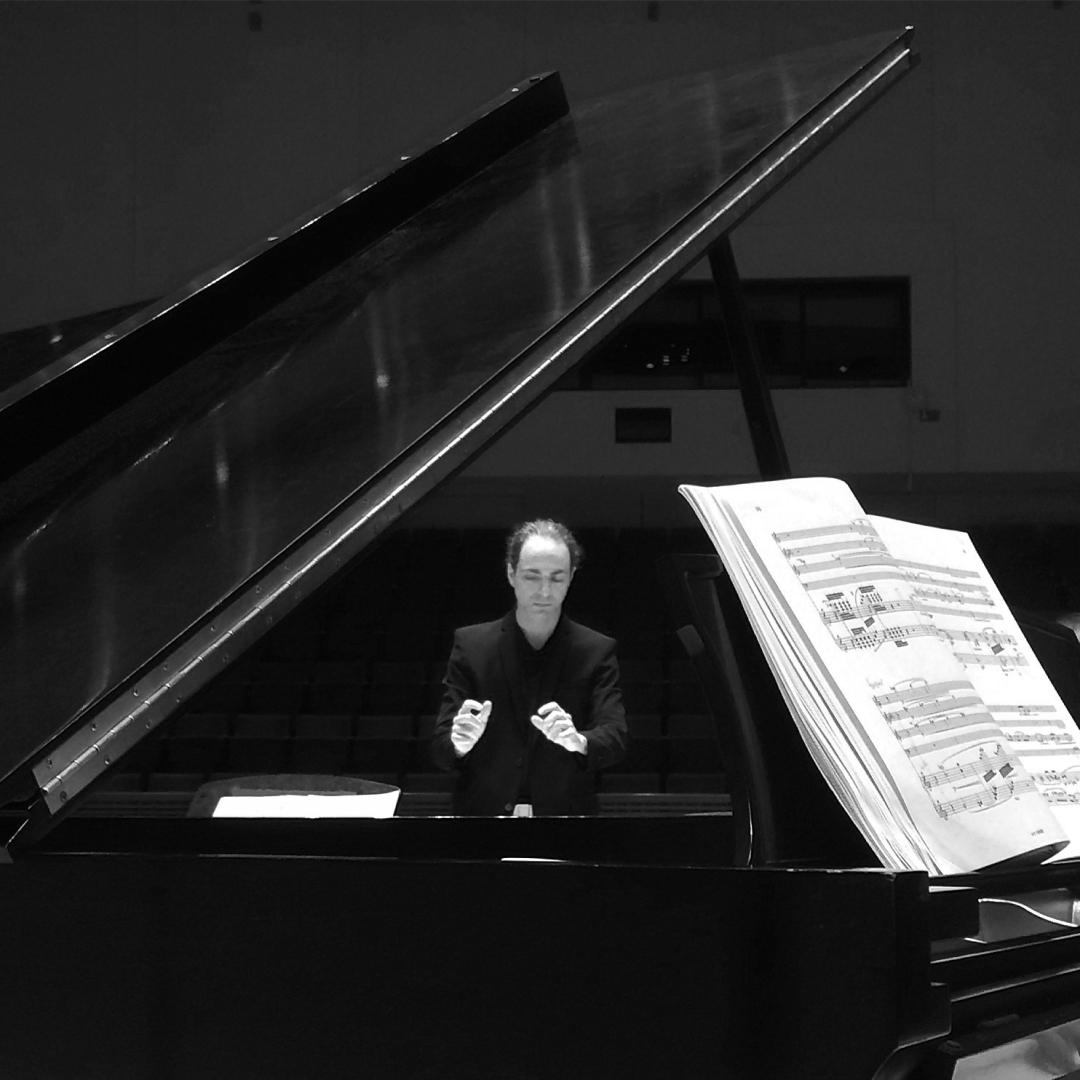
Los Angeles, CA - National conversations about arts access often focus on big-picture funding and policy debates. But for Peter Peyman Farzinpour, the issue is grounded in everyday experience. As a conductor, composer, educator, and arts leader with deep professional roots in Los Angeles, he has seen how access to the arts directly affects individuals and communities across the region.
“Studying literature taught me structure and meaning,” Farzinpour says. “Music isn’t just sound. It’s narrative.” That belief guided his early career with the Los Angeles Philharmonic and later his work as Director of New Music at the Los Angeles County Museum of Art (LACMA), where he designed innovative concert experiences for local audiences.
In Los Angeles County, the challenges are tangible:
Less than half of public high schools offer sustained arts instruction beyond a single introductory course.
Arts enrollment drops sharply after middle school in many LAUSD schools, especially in underserved neighborhoods.
Southern California arts nonprofits report growing demand for youth programs, with waitlists increasing year over year.
A majority of local arts organizations rely on short-term grants rather than stable funding, limiting continuity.
Students in Los Angeles with regular access to arts education show higher attendance and engagement compared to peers without access.
Farzinpour has watched these disparities widen over time. “You’re not just conducting music,” he says. “You’re shaping a culture.” For him, culture begins locally—in rehearsal rooms, classrooms, museums, and community spaces throughout Los Angeles.
During his years working with major cultural institutions in the city and teaching emerging artists, he noticed a consistent pattern. Talent was widespread. Opportunity was uneven. “Don’t wait for permission,” Farzinpour often tells students. “Institutions catch up later.” He believes this approach applies just as strongly at the community level.
He also challenges a common assumption in arts discourse. “I don’t believe innovation requires breaking tradition,” Farzinpour says. “Some of the most radical ideas I’ve had came from studying classical forms very closely.” When arts education is removed, that foundation disappears, along with the tools needed for meaningful experimentation.
The impact reaches far beyond professional musicians. Arts participation strengthens skills that transfer across careers—focus, collaboration, critical listening, and resilience. “Teaching keeps you honest,” he says. “Students ask the questions you can’t ignore.” When access fades, so do those shared spaces for learning and dialogue.
Farzinpour stresses that meaningful change does not have to wait for large systems. “Create small experimental projects with clear boundaries,” he says. “One concert. One theme. One collaborator.” Local action, he believes, builds momentum.
Local Action List: 10 Things You Can Do This Week
Attend a performance, exhibit, or student concert in your neighborhood.
Share information about a local arts program with a family or community member.
Volunteer time with a Los Angeles–based arts nonprofit or school.
Ask your local school how arts education is currently supported.
Write a short message of support to a local arts educator or organization.
Bring a child or a first-time attendee to a cultural event.
Follow and share the work of local artists and ensembles online.
Donate unused instruments, books, or materials to a community program.
Invite a local artist to speak or perform at a community gathering.
Start a small arts initiative, such as a listening group or creative meetup.
How to Find Trustworthy Local Resources
Look for organizations with clear missions, transparent leadership, and visible ties to the community. Check local arts councils, public libraries, museums, and university outreach programs. Attend events, ask questions, and build relationships over time.
Arts access is not an abstract issue. It affects real people, locally and daily. Farzinpour encourages readers to take one small step today. Show up. Participate. Support the creative life of Los Angeles.
About Peter Peyman Farzinpour
Peter Peyman Farzinpour is a Los Angeles–based conductor, composer, multimedia producer, educator, and arts entrepreneur. He began his career with the Los Angeles Philharmonic and served as Director of New Music at the Los Angeles County Museum of Art. He is the Executive and Artistic Director of ENSEMBLE / PARALLAX and Sinfonietta Notturna, and his work focuses on interdisciplinary collaboration, education, and building sustainable creative platforms.
Information contained on this page is provided by an independent third-party content provider. XPRMedia and this Site make no warranties or representations in connection therewith. If you are affiliated with this page and would like it removed please contact [email protected]
