
Horse and Houses and the Realities of Equestrian Living and Property
Equestrian property does not behave like most real estate. It rarely fits the same patterns, and it often catches people out when it is treated as if it does. A property that looks workable on paper can feel very different once horses are part of the day-to-day reality.
Much of that comes down to land and use. Horses change how space is used, how time is spent and what actually matters once someone has moved in. Layout, ground conditions and access tend to shape daily routines far more than finishes or presentation. These things are not always obvious at a viewing, and they rarely show themselves all at once.
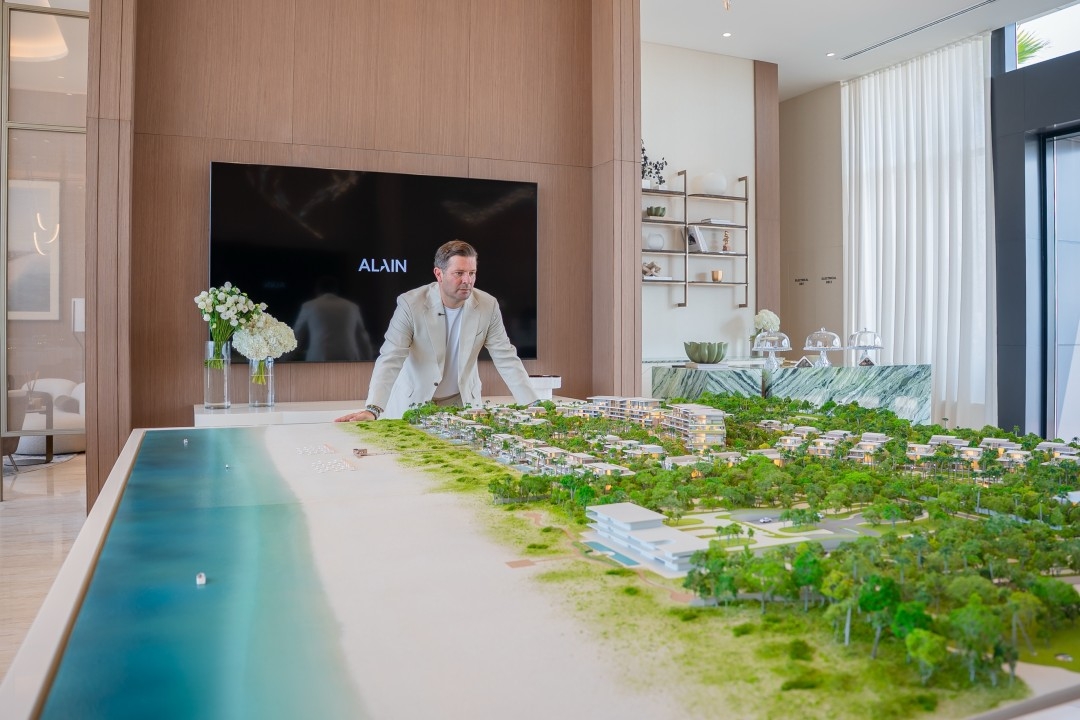
For a long time, equestrian property was grouped loosely into rural real estate. Acreage and appearance carried a lot of weight, and the practical side was often assumed to fall into place. In practice, that assumption does not hold up particularly well. Drainage, turnout, storage and how different areas connect to each other become far more important once horses are involved. Many buyers only realise this after they have lived with the property for a while.
Horses bring a level of demand that most residential property is not designed for. They influence where a property works, how land is managed and what compromises are realistic. Seasonal changes matter. Weather matters. What feels manageable in the summer can feel very different after a wet winter or a heavy workload. As a result, equestrian homes and estates tend to be judged less on how they look and more on how they function over time.
There has also been a noticeable change in how buyers approach decisions in this space. Fewer people are rushing to secure a property quickly. More time is being spent understanding how it will actually work once routines are established. Flexibility has become important, as has the ability to adapt land and facilities as needs change. This slower approach is often driven by experience, sometimes learned the hard way.
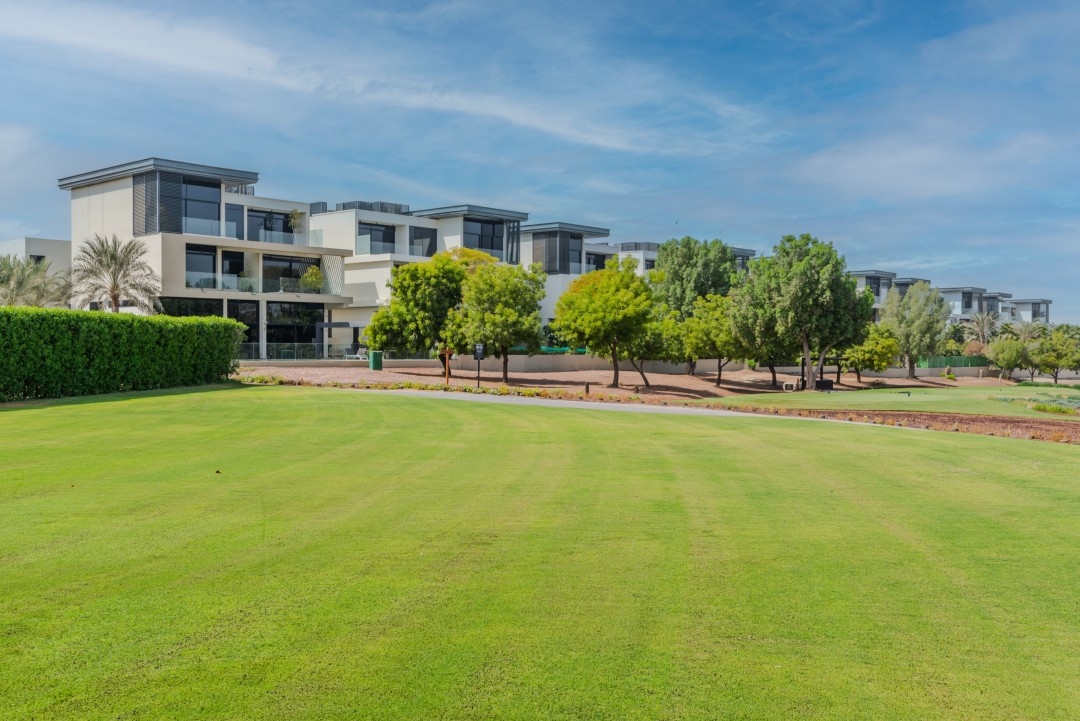
These shifts sit alongside wider changes in the high end real estate market. Privacy and space now carry more weight than visibility or status for many buyers. Equestrian property often fits naturally within that mindset. It offers separation, control and a quieter way of living that traditional residential developments struggle to provide. For some, that balance is the main attraction rather than a secondary benefit.
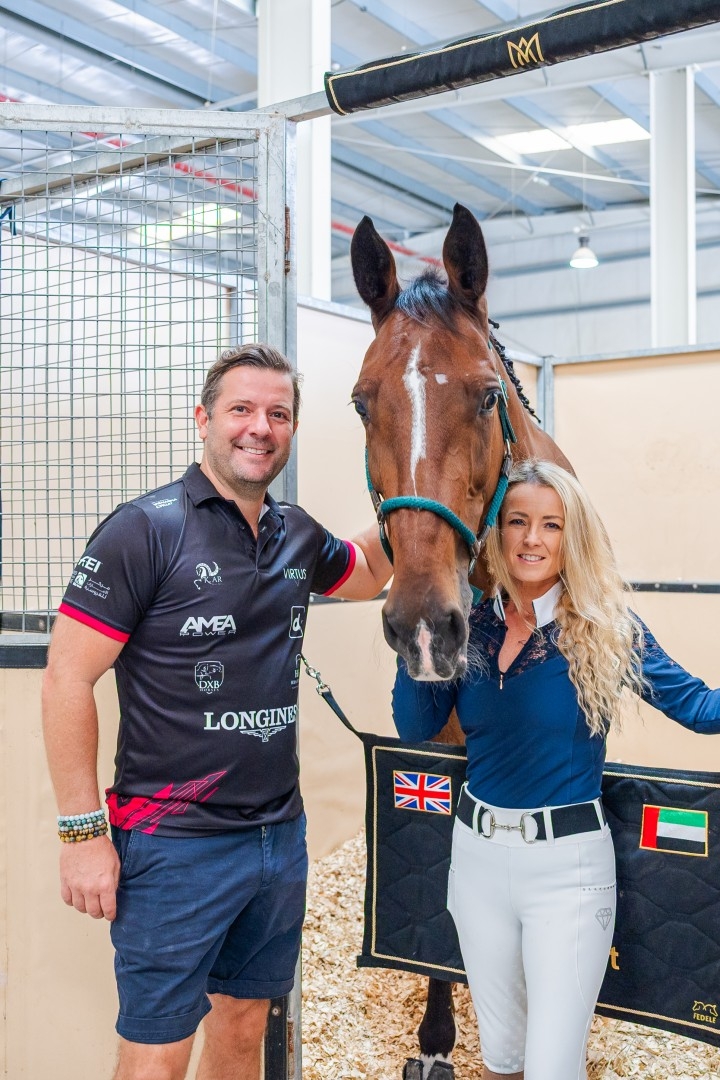
In the UAE, this way of thinking often becomes even more pronounced. Equestrian living is frequently organised around established stables and equestrian clubs, which act as the practical base for day to day routines. Once that base is in place, wider real estate and lifestyle decisions tend to follow, with communities chosen for access, travel time and how well they support the rhythm of life around horses. This order of decision making underpins many of the choices clients make, and it often shapes where and how people ultimately live.
Equestrian living also extends beyond the boundaries of the property itself. Transport logistics, seasonal pressures, horse care and long term planning all form part of the picture. When these elements are considered separately, problems tend to surface later. When they are considered together, decisions tend to hold up better over time. This is something that is rarely obvious at the start.
Within this context, Horse and Houses has become part of a broader conversation around how equestrian property decisions are approached. Based in Dubai, the business reflects an international perspective shaped by different equestrian regions rather than a single local model. That broader view recognises that while markets vary, many of the practical challenges remain the same.
As interest in equestrian living continues to grow, the focus is gradually shifting away from transactions and towards decisions that work in real terms. Properties that support horses, land and lifestyle together tend to age better than those chosen for short term appeal. It is a quieter way of thinking about real estate, but one that aligns more closely with how equestrian living actually works.
Further insight into equestrian property, land use and long term planning can be found through Horse and Houses, where these realities are explored in more depth across its perspectives on equestrian real estate.
Information contained on this page is provided by an independent third-party content provider. XPRMedia and this Site make no warranties or representations in connection therewith. If you are affiliated with this page and would like it removed please contact [email protected]
